
Field Notes from Northern Mexico
Discover Desert Mexico
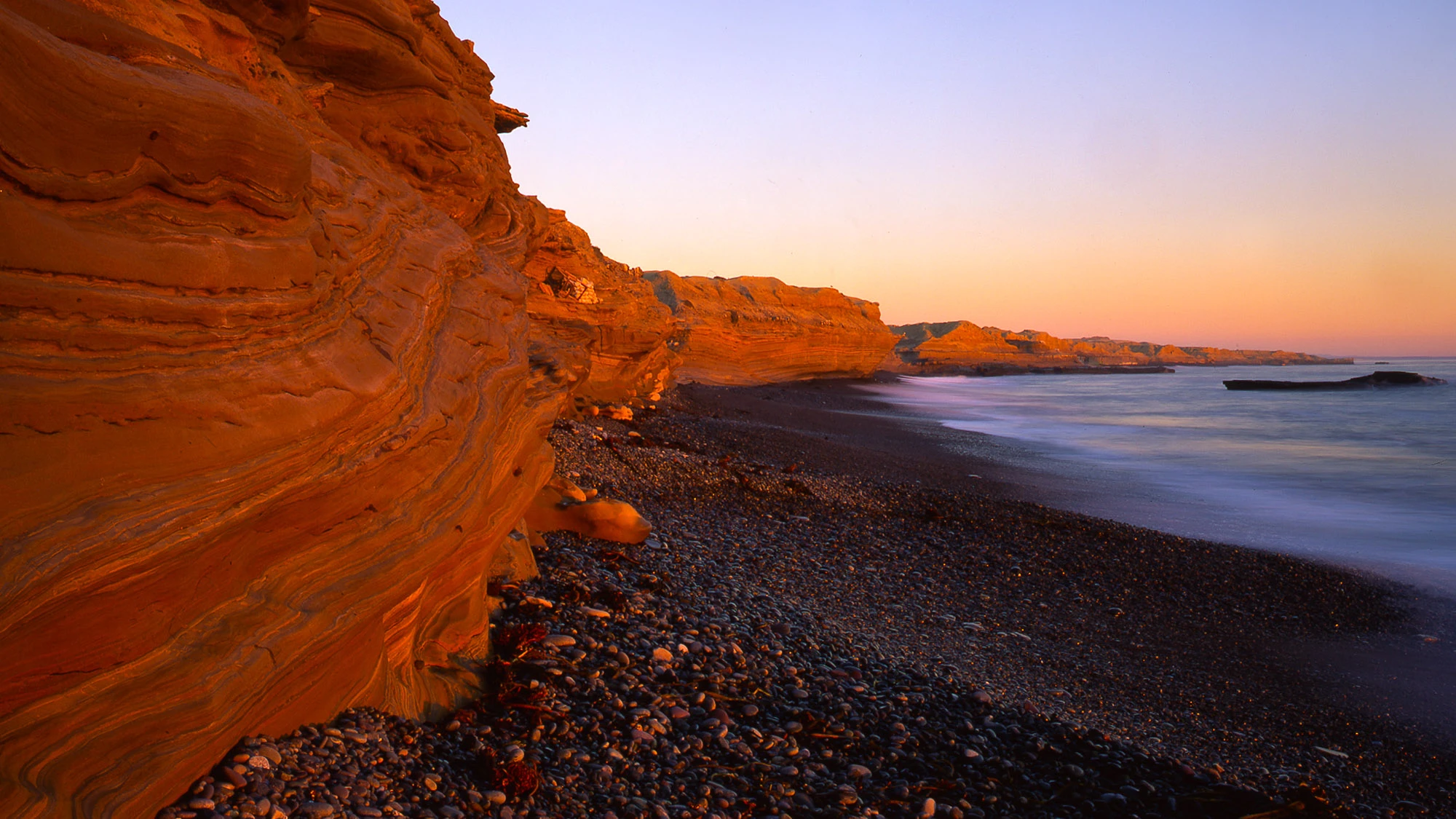
There's no place on Earth like the dry, dusty deserts of Mexico — a surreal borderlands geography spanning the Chihuahuan, Sonoran, and Altar deserts, united by the marine paradise of the Sea of Cortez.



Where Is Desert Mexico?
Two Deserts, a Mountain Wall and a Sea
Mexico is home to two vast desert regions, both contiguous with the United States. The Sonoran Desert wraps around the Sea of Cortez, covering nearly all of the Baja California peninsula, its islands and most of Sonora. The Chihuahuan Desert fills the high basins of Chihuahua, Coahuila and Durango. Between them runs the Sierra Madre Occidental, and it makes them strangers: the Sonoran low and warm, fed by winter and summer rains and crowded with tree-sized cacti; the Chihuahuan high and cold in winter, watered in summer, and ruled by agaves, yuccas and small, round cacti.
- 63 ftthe tallest cardón ever measured, in Baja California, the tallest cactus species on Earth
- 200 mthe tallest dunes of the Gran Desierto de Altar
- 2rainy seasons in the Sonoran Desert, winter and summer
- 5 millionyears since the Sea of Cortez began to open
- The DivideSierra Madre Occidental
A volcanic mountain wall running down western Mexico for hundreds of miles. It catches the summer monsoon, and it keeps the two deserts apart: the low Sonoran to the west, the high Chihuahuan to the east.
- The Sonoran DesertLow, warm and green
Mild winters and two rainy seasons make it the lushest of the warm deserts, a forest of cardón, organ pipe and senita cactus, ironwood, palo verde and elephant trees.
- Baja CaliforniaA peninsula torn from the mainland
About 775 miles of desert mountains between the Pacific and the Sea of Cortez. The boojum grows almost nowhere else, and the gray whales calve in the lagoons of El Vizcaíno.
- The Sea of CortezThe young sea
It opened only about five million years ago as Baja pulled away from the mainland. Jacques Cousteau is said to have called it the aquarium of the world, and its islands and coasts are a World Heritage Site.
- El Pinacate and the Gran DesiertoLava and sand
Black volcanic craters beside North America’s largest field of active sand dunes, some of them 200 meters high. The whole of it became a World Heritage Site in 2013.
- The Chihuahuan DesertHigh basins between two ranges
The largest desert in North America, a high country of cold winters and summer rain between the Sierra Madre Occidental and Oriental, a land of agaves, yuccas and small cacti. At Cuatro Ciénegas, spring-fed pools still grow living stromatolites.
A Visual Field Guide
Chili Peppers of the World
Capsicum annuum starts in Mexico, which should probably be more well known, and it’s the reason this project lives in my Desert Mexico section. It began with the chiltepin, a wild berry of a pepper whose heat was designed to punish mammals and reward birds. I illustrated 176 peppers across the five domesticated species. Jump to a species:
 Capsicum annuumjalapeño, poblano, serrano, bell79
 Capsicum chinensehabanero and the superhots53
 Capsicum frutescenstabasco and piri piri12
 Capsicum baccatumthe ajís of the Andes22
 Capsicum pubescensrocotos and manzanos10
Or go straight to the chiles of Mexico:
 Chiltepinthe wild ancestor
 JalapeñoVeracruz
 SerranoPuebla and Hidalgo
 Poblanodried, the ancho
 De Árbol
 Cascabelthe rattle chile
 Mirasoldried, the guajillo
 Chilacadried, the pasilla
 Costeño RojoOaxaca and Guerrero
 Chilhuacle Negrothe black mole chile
 HabaneroYucatán
 Manzanothe highland apple chile
- The Chili Peppers Poster→
- The Scoville Ladder→
An Illustrated Guide
Hot Sauces of the World
Hot sauces have been around for millennia, as Aztecs and other people of Mexico and Central America ground chile peppers, water and spices. I sketched 133 bottles, from Louisiana to Korea, sorted by style, with the peppers and Scoville heat behind each one. Jump to a style:


Every Species, Illustrated
Yuccas of the World
To me, yuccas are symbolic of the deserts of Mexico and the Desert Southwest. There are 48 species, from small ground-huggers to towering giants, and I sketched each one with liner pens, Copic markers and watercolor. Here are the yuccas of Desert Mexico and its borderlands:
 Yucca validaDatilillo
 Yucca capensisCape Yucca
 Yucca schidigeraMojave Yucca
 Yucca declinataDeclined Yucca
 Yucca grandifloraSahualiqui (Large-flowered Yucca)
 Yucca madrensisMadrean Yucca
 Yucca elataSoaptree Yucca
 Yucca filiferaThread-leaf Yucca
 Yucca carnerosanaGiant Spanish Dagger
 Yucca rostrataBeaked Yucca
 Yucca coahuilensisCoahuila Yucca
 Yucca endlichianaEndlich's Yucca
- All 48 species→
- The Yuccas Poster→