Field Notes from Latin America
Explore the Neotropics
The vast Neotropics stretch from southern Mexico to Argentina, a region steeped in mystery and biological wonder. These are my field notes and sketches from jungles, cities, and remote mountains across the southern half of the Americas.

Featured journeys


What Is the Neotropics?
One Realm, From Mexico to Patagonia
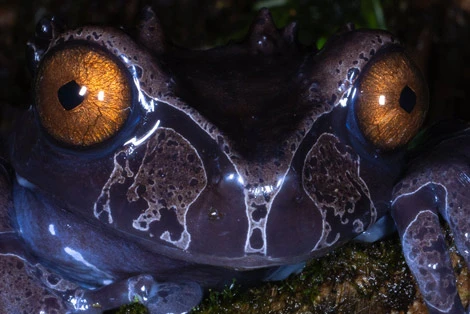
The Neotropics isn’t a country or a continent. It’s one of the great realms of life on Earth, reaching from lowland Mexico and the Caribbean through Central America to the tip of South America. After breaking away from Africa, South America drifted alone for tens of millions of years, an island continent that evolved its own sloths and anteaters, its own monkeys, its hummingbirds, tanagers and poison frogs. Then, about three million years ago, the Isthmus of Panama rose from the sea and joined it to the north, and the two Americas traded animals across the bridge. What grew from that long isolation and sudden meeting is the richest place for life on the planet, held together by the same families of plants and animals from a Belize river to an Andean pass. That’s why I treat it as one place.
- #1more bird species than any other region on Earth
- ~92,000species of flowering plants
- 110 millionyears since South America broke from Africa
- ~3 millionyears since Panama joined the two Americas
Four Worlds, One Mountain
In the Neotropics you change worlds by changing elevation. Climb from the reef to the páramo and you pass through almost as many kinds of life as on a drive from the tropics to the Arctic.
-
High Andes and PáramoAbove 9,000 feetCold grasslands and elfin forest near the tree line, where the Andes run out of trees.
-
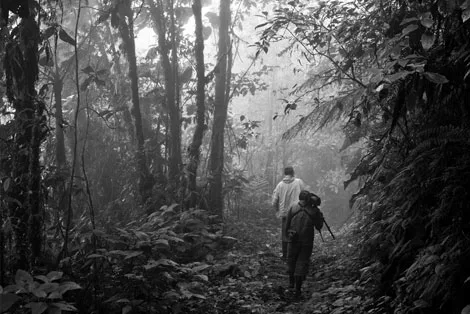
Cloud Forest3,000 to 9,000 feetMountain forests that live inside the clouds, heavy with moss, orchids, bromeliads and hummingbirds.
-
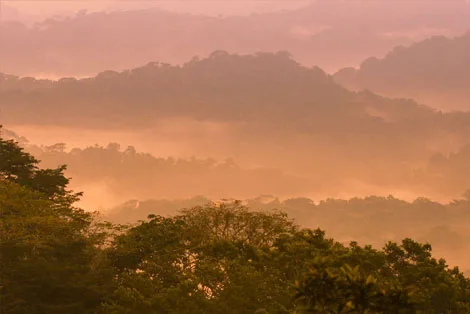
Lowland RainforestBelow 3,000 feetThe tallest trees and the most species on Earth, from Amazon floodplains to the forests along the Panama Canal.
-
Coast, Mangrove and ReefSea levelMangrove lagoons, coral cays and river mouths, where the forest meets the sea.