
Pack Your Lunch in your Daypack
Five ingredients, five minutes of shopping, and the best meal of a long day on foot.
Updated September 24, 2026
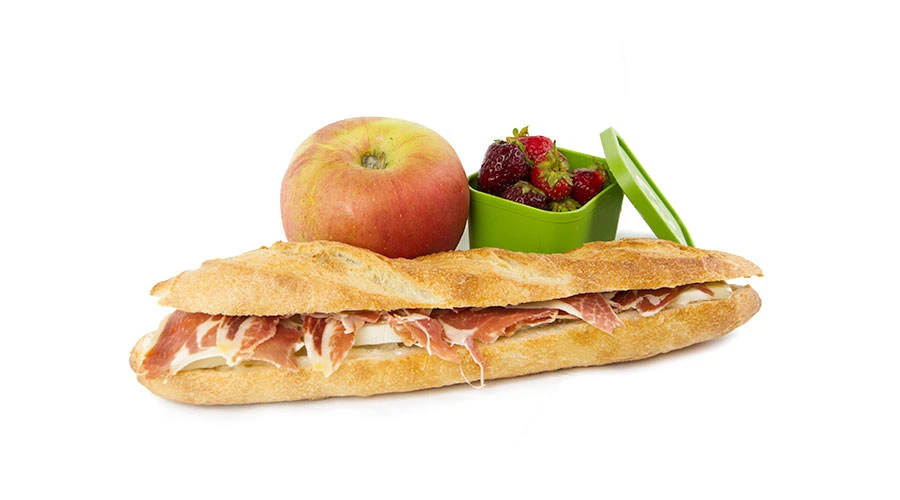
I notice that hikers and traveling walkers don't always put much preparation into their daypack lunch. When I walk with others, this means that when lunch calls, we need to get off the trail or the mountain or divert our walk in some way. And lunch at a restaurant off-the-beaten path can be expensive.
Build the habit of packing your lunch into your pack. My favorite is a thin baguette with serrano ham and Cana de Oveja sheep's cheese from Spain. An apple always packs well into a pack. Add a container of raisins, blueberries, almonds or strawberries.
Five ingredients that take five minutes to shop for are easy, and they transform your day. And there is nothing better than rewarding yourself after a long day of walking with the perfect meal. My best memories of hikes and long walks are sitting on a rock or a beach and unpacking a good lunch.
What Makes a Good Trail Lunch
The best daypack lunch doesn’t need a refrigerator, doesn’t crush, and packs a lot of energy into a small space. A thin baguette slides down the side of a pack and survives the day far better than a sandwich on soft bread. Cured meats like serrano ham, salami or chorizo keep for hours without ice. Firm and aged cheeses travel well too; the softer ones are better for a short morning walk than an all-day hike. Apples, oranges and dried fruit hold up to being knocked around, and a handful of nuts rounds out the meal.
I wrap the cheese in paper rather than plastic so it doesn’t sweat in the heat, and I carry a small pocketknife and a cloth napkin that doubles as a cutting board and a placemat. I don’t assemble anything in advance. Tearing off a piece of bread and slicing the cheese and ham on the spot is part of the pleasure, and nothing gets soggy along the way. Whatever I bring in, including the apple core and the orange peels, goes back out in the pack.
Shop Like a Local
When I travel, packing a lunch becomes a way to explore. Instead of settling for whatever a tourist café near the trailhead has to offer, I stop at a market, bakery or small grocery in the morning and put together a lunch from whatever the region does best. In the Alps, that might mean a wedge of Appenzeller and a dense rye bread; in Malta, a few of the little sheep’s-milk cheeses called ġbejniet; in Sicily, a blood orange and a slab of pecorino. The shopkeepers are usually happy to help you choose, and a picnic assembled from local ingredients teaches you more about a place than most restaurant meals will.
The habit also buys you freedom. With lunch already in your pack, you can stay on the ridge, linger at the viewpoint, or follow the side trail you weren’t planning to take, and eat whenever and wherever the best spot turns up.