
High above Leslie Gulch in Oregon’s Owyhee country, my brother Hans and I found a beige stone tool sitting on a rock. We knew what it was for: scraping the hide off a fresh kill. We photographed it and put it back where we found it. What we didn’t know was who shaped it, what they hunted, or when.
That question has taken me to clam diggers and mushroom foragers on the coast, to a snowbound hotel on the Columbia, to the tundra of Alaska’s Seward Peninsula, and back to the old lake basins of Lake County, where my son Kellan has joined the search. These are the stories so far, in order, and a timeline of the deep past they keep circling back to.
The Stories
Start at Part 1. Each one picks up where the last left off.
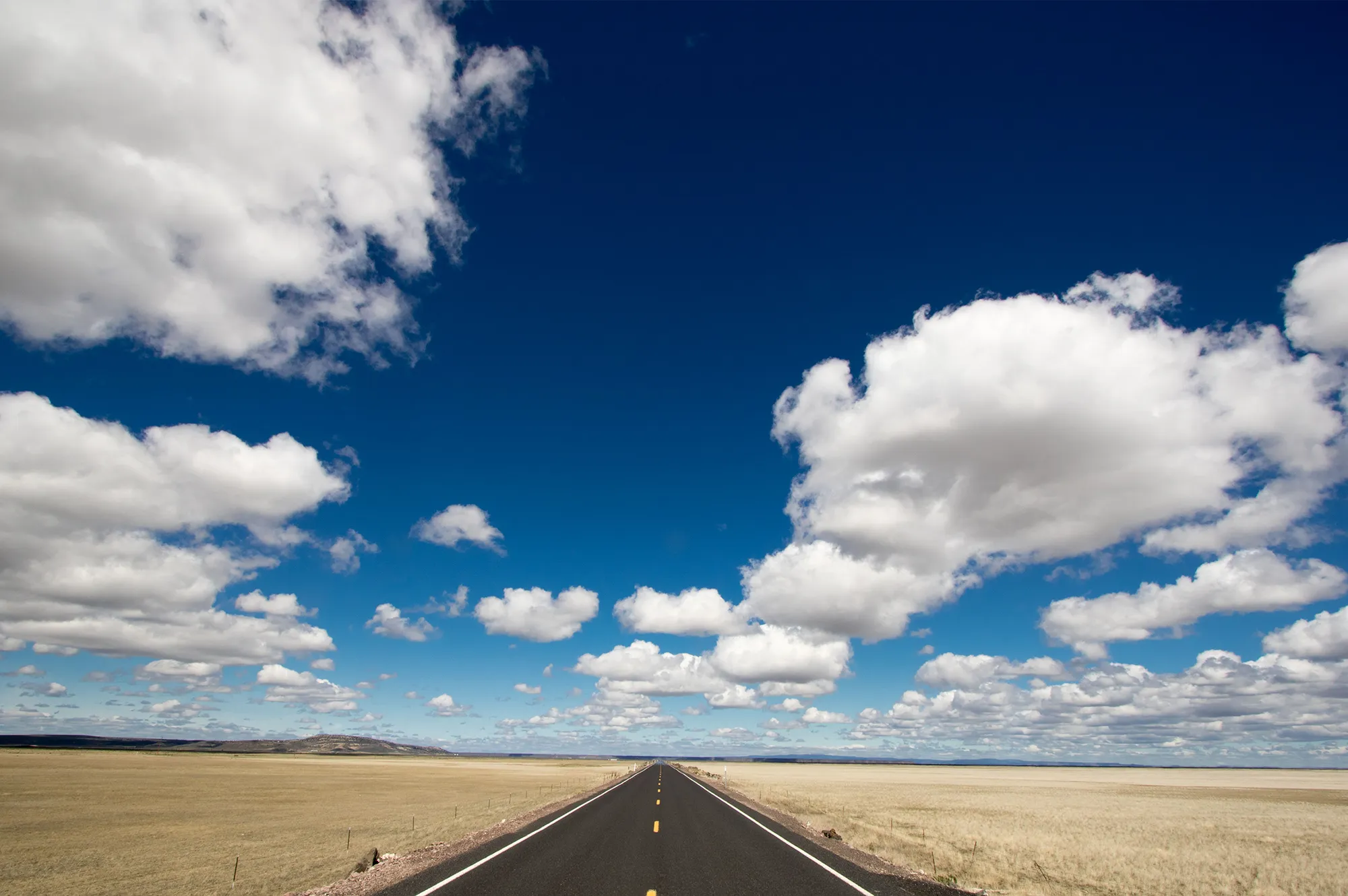
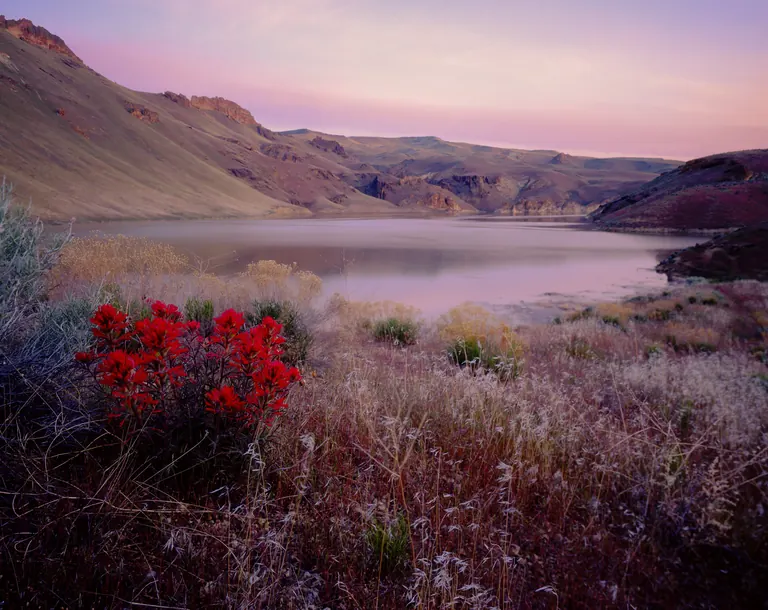 Part 1 · Great BasinThe Owyhee PuzzleHigh above an Oregon desert river, a stone tool raises a question that will take years to answer.
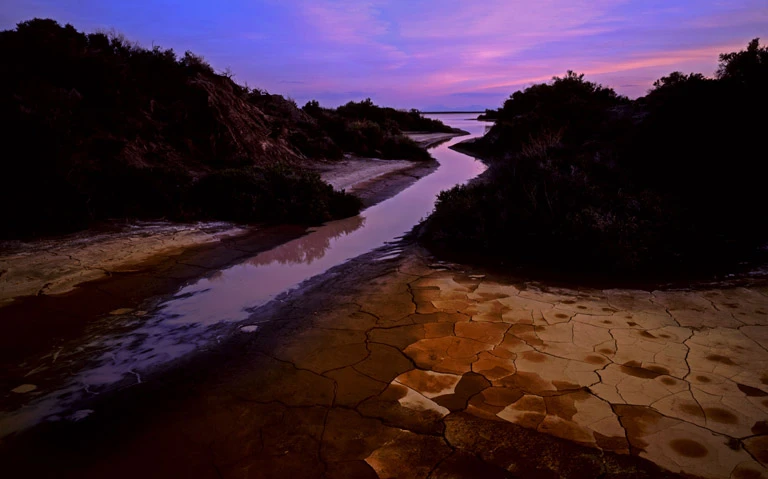 Part 2 · Great BasinThe Puzzle Is MineMy brother is leaving Oregon for a year. The question of the stone tool is mine now.
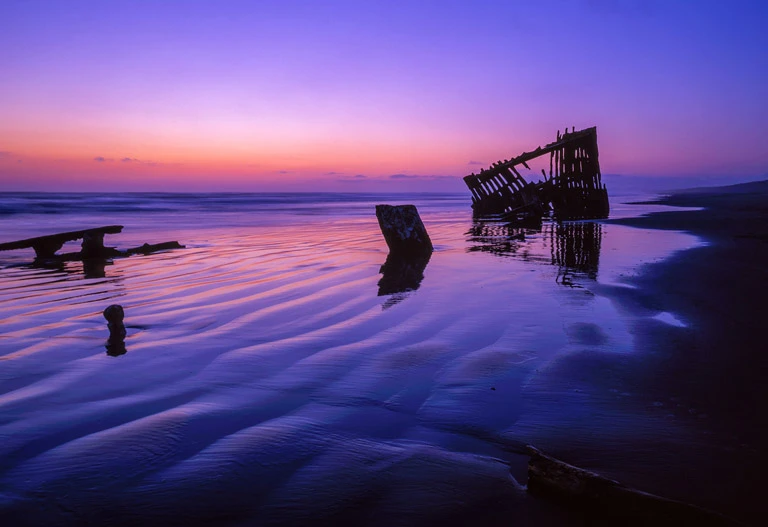 Part 3 · CascadiaForaging Nehalem ValleyLearning to see the woods the way Oregon’s first people did, one wrong mushroom at a time.
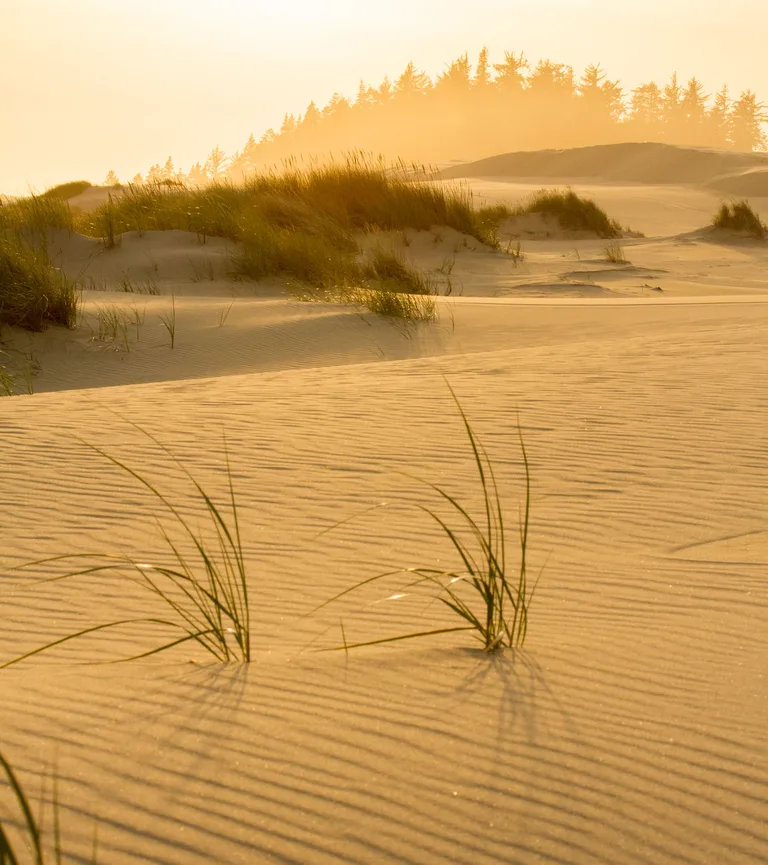 Part 4 · CascadiaUmpqua Dunes GenesisForaging the Oregon coast for a Native meal, and for the first Americans.
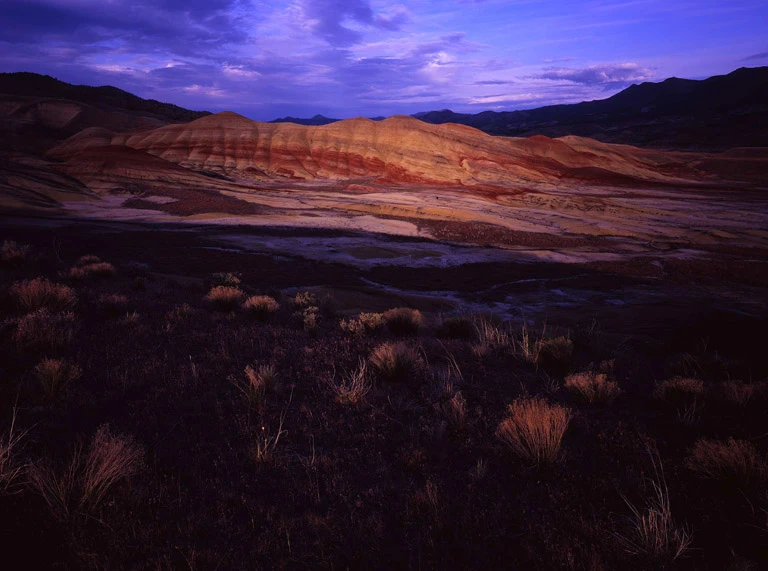 Part 5 · CascadiaSalmon, Stone & the ColumbiaThe Owyhee Puzzle reaches the Columbia, where salmon built a civilization.
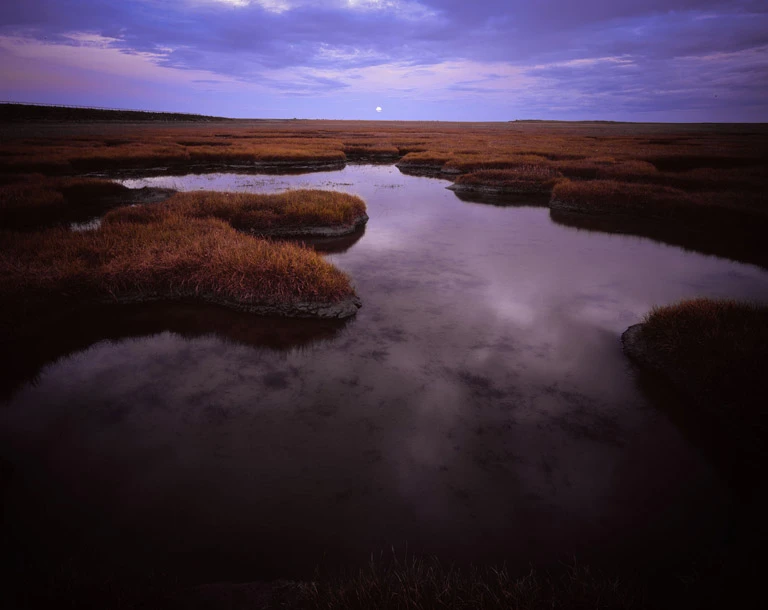 Part 6 · CascadiaMidnight Road to BeringiaNome, the tundra and a fourteen-thousand-year-old question about how the first Americans arrived.
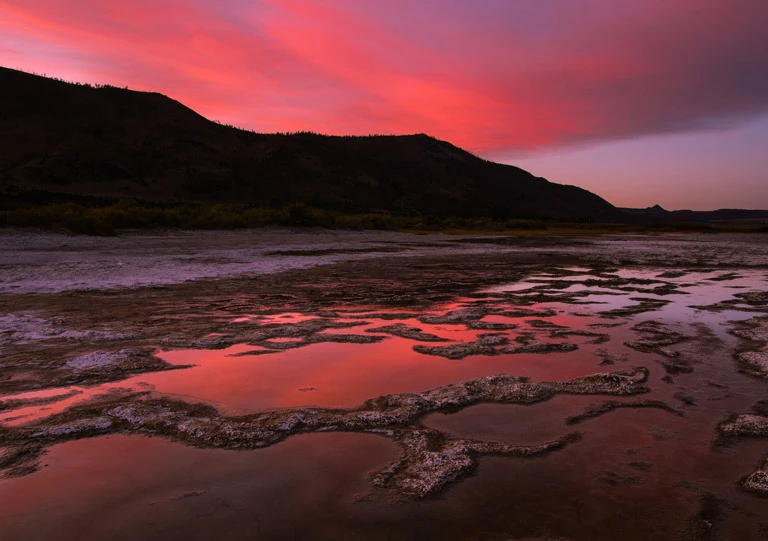 Part 7 · Great BasinLearning Lake ChewaucanObsidian, arrowheads and old shorelines: reading the bed of a lake that vanished ten thousand years ago.
 Part 8 · Great BasinSandals Under the AshTen-thousand-year-old sandals, a twelve-year-old who wants to know who wore them, and an interview with archaeologist Dennis Jenkins.
The puzzle isn’t finished. More parts are on the way.
Deep Time
Where one stone tool sits in 23,000 years of people in the Northwest. Every date comes from the stories above.
Drawn to scale. The tool’s whole possible age fits in the last fifth of the line.
- 23,000–21,000 years ago
Human footprints are pressed into the mud of an ice-age lake at White Sands, New Mexico. Independent methods confirmed the dates in 2023.
Part 6: Midnight Road to Beringia · Part 8: Sandals Under the Ash - About 16,000 years ago
People are making tools at Cooper’s Ferry, Idaho, on a tributary of the Columbia: the “first off-ramp” of a route down the Pacific coast.
Part 4: Umpqua Dunes Genesis · Part 6: Midnight Road to Beringia · Part 8: Sandals Under the Ash - About 14,300 years ago
People leave coprolites in the Paisley Caves near Summer Lake. When they were radiocarbon dated, they were the earliest direct evidence of humans in North America.
Part 6: Midnight Road to Beringia · Part 7: Learning Lake Chewaucan · Part 8: Sandals Under the Ash - About 13,000 years ago
Clovis points appear, long taught as the first Americans. The inland ice-free corridor opens, but can’t support travelers until about 12,600 years ago.
Part 4: Umpqua Dunes Genesis · Part 6: Midnight Road to Beringia - At least 11,000 years ago
The southern Oregon coast is already home and kitchen to the people who live along it.
Part 4: Umpqua Dunes Genesis - 10,400–9,100 years ago
Sagebrush-bark sandals are worn and left in Fort Rock Cave, later sealed beneath Mazama’s ash.
Part 2: The Puzzle Is Mine · Part 8: Sandals Under the Ash - At least 9,000 years ago
Salmon are being caught at Five Mile Rapids near The Dalles.
Part 5: Salmon, Stone & the Columbia - About 7,700 years ago
Mount Mazama erupts and collapses into what becomes Crater Lake. The Klamath story of Llao and Skell is widely read as a memory of it.
Part 2: The Puzzle Is Mine - About 5,000 years ago
A wetter climate returns, and people come back to Dirty Shame Rockshelter in the Owyhee drainage after a hot, dry mid-Holocene spell.
Part 2: The Puzzle Is Mine - 5,000 to 100 years ago
Somewhere in here, someone shapes the beige stone tool that Hans and I found above Leslie Gulch, photographed and left where it lay. Without obsidian to test, this is as close as the dating gets.
Part 1: The Owyhee Puzzle · Part 2: The Puzzle Is Mine - About 4,000 years ago
The oldest dated evidence of kayaks. What craft people used on this coast thousands of years before that is anyone’s guess.
Part 3: Foraging Nehalem Valley - About 1,000 years ago
Numic languages, spoken by the Northern Paiute and Shoshone, the Owyhee’s historic peoples, spread across the Great Basin.
Part 2: The Puzzle Is Mine - About 500 years ago
A tiny obsidian arrowhead with delicate pressure flaking, the kind that still turns up in the obsidian fields near Paisley.
Part 7: Learning Lake Chewaucan